


In the world of home renovation, few things pack as much punch as the choice of flooring. It’s not just about aesthetics; it’s the foundation of your space. The right flooring can make a room feel warm and cozy or sleek and modern.
From the timeless elegance of hardwood to the budget-friendly practicality of laminate, each flooring type has its specific profile. With expertise and knowledge, you can pick the right flooring, so your kitchen shines and your bedroom beckons.
Along with the other factors that affect installation costs – square footage, the condition of your subfloor, labor costs – there are additions like underlayment and trim to consider. Many go green with eco-friendly choices like cork or bamboo or waterproof options to battle moisture.
Types of Flooring
When it comes to flooring, the options are as diverse as the colors in a painter’s palette. Here’s a look at some of the top choices for flooring that may make sense for your project in 2023.
- Hardwood: Timeless and elegant, hardwood flooring adds a touch of class to any space. Its durability and natural beauty make it a top pick. However, it can be expensive, and it requires careful maintenance.
- Laminate: If you want the look of hardwood without the high price tag or maintenance issues, laminate is a budget-friendly alternative that’s come a long way since your grandmother’s linoleum kitchen. It’s easy to clean and resistant to stains, but it may not stand up as well to heavy wear and tear.
- Tile: Versatile and available in countless styles, tile flooring is an excellent choice for high-traffic areas like kitchens and bathrooms. It’s durable, moisture-resistant, but can be cold underfoot.
- Carpet: Soft and cozy, carpeting is perfect for bedrooms and living areas where comfort is key. It’s relatively affordable, but traps dust and allergens, and stains more easily than hard surfaces.
- Vinyl: Vinyl flooring offers a mix of affordability and versatility. It mimics the look of other materials like hardwood or tile, and it’s water-resistant and easy-to-clean, but it may not have the same resale value as natural materials like hardwood.
Your choice of flooring significantly impacts the costs you may be quoted by a professional flooring installer. Hardwood and tile often require more labor and expertise, making installation more expensive, whereas laminate, carpet, and vinyl are generally more budget-friendly to install. Understanding the pros and cons of each type will help you make an informed decision while keeping your renovation budget in check.
Whether you’re an experienced renovator or a first-time homeowner, understanding what goes into the figure at the bottom of your bill helps you make smart choices. It ensures your flooring selection suits both your style and budget, making your renovation smoother and more cost-effective.
How Much Does Hardwood Flooring Cost to Install?

Hardwood floors remain an excellent choice, offering timeless elegance and durability. Their classic appeal enhances the aesthetic value of any space. While they may be a bit costlier than some alternatives, their classic appeal enhances the aesthetic value of any space.
Pros
- Timeless elegance
- Durability
- Easy maintenance
Cons
- High cost
- Prone to damage
- Sensitive to moisture.
Installation Costs
Hardwood flooring installation can be relatively expensive due to the need for skilled labor and precise installation techniques. Costs vary based on factors like the type of hardwood, room layout, and labor rates in your area but generally, hardwood floors cost $5 to $15 per square foot.
How Much Does Laminate Flooring Cost to Install?
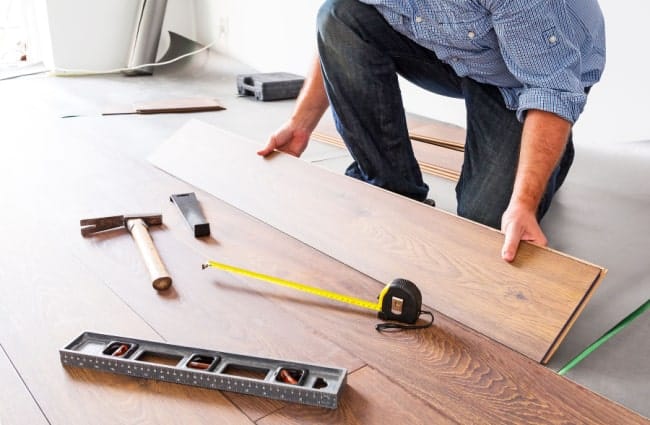
Laminate flooring presents an attractive option in 2023, particularly for budget-conscious homeowners. Its pros include affordability and offering the appearance of hardwood at a fraction of the cost. Additionally, the ease of installation, often with convenient click-and-lock systems, makes it a popular choice for DIY enthusiasts. Laminate is also known for its resistance to stains, making it a practical pick for households with active children and pets.
However, there are a few drawbacks to consider. Laminate lacks the refinishing capabilities of hardwood, meaning any significant damage may necessitate replacing the entire floor. While it closely mimics the look of wood, some may find it lacks the authentic warmth of real hardwood. Furthermore, its susceptibility to moisture makes it less suitable for areas prone to excessive water exposure, such as bathrooms or kitchens.
Pros
- Affordability
- Easy installation
- Stain resistance
Cons
- Limited refinishing
- Less authentic look
- Susceptibility to moisture
Installation Costs
Laminate flooring is typically more affordable to install than any other material. DIY installation can further reduce costs, but professional installation ensures a polished finish. At one of the lowest price points, laminate flooring costs $2 to $8 per square foot to install as flooring.
How Much Do Tile Floors Cost to Install?

Tile flooring is a terrific choice for 2023, with a myriad of styles to suit diverse design preferences. Its remarkable durability makes it a top pick, especially in moisture-prone areas like kitchens or bathrooms. Cleaning tile is hassle-free, with the added advantage of being able to replace individual tiles if damage occurs.
It’s essential to note that tile can feel cold to the touch, necessitating heating solutions in colder regions. Its hard surface may also prove less comfortable for prolonged standing. Additionally, grout lines demand regular upkeep to prevent stains and mold growth.
Pros
- Versatility
- Durability
- Easy maintenance
Cons
- Cold surface
- Hardness
- Grout maintenance
Installation Costs
In the mid-range, tile generally costs from $6 to $20 per square foot to install in your home. Types of tile include ceramic, porcelain, glass, marble, and granite. When it comes to installation costs, expect to pay between $6 to $20 per square foot for natural stone tile flooring and $15 to $20 per square foot for porcelain or ceramic.
Additional Factors Affecting Floor Installation Costs
With various flooring options available, ranging from hardwood’s classic charm to laminate’s budget-friendly appeal to tile’s durability, it’s crucial to consider factors that might effect costs outside of the material. Several key factors could significantly influence the final bill – subfloor condition and preparation, labor costs and installation method, square footage and room layout, and additional materials (underlayment, adhesives, trim). Geographic location and local labor rates will also affect your final bill.
- Subfloor – The state of your subfloor plays a crucial role in installation costs. If it’s uneven, damaged, or requires extensive repair, additional labor and materials will be needed to ensure a proper foundation for your new flooring. Subfloor preparation can add to both time and expenses.
- Labor – Costs can vary widely based on whether you choose to tackle the installation yourself or hire professionals. While DIY can save on labor fees, your floor installation may need specialized tools or skills. On the other hand, professional installation ensures precision but comes with labor costs, varying by location and experience.
- Size – The size and layout of the space directly impact the cost. Larger areas naturally require more materials and labor. Additionally, complex room layouts with angles or intricate designs may need more time and expertise, increasing costs as well.
- Extras – Beyond the main flooring material, there are additional supplies such as underlayment, adhesives, and trim. The type and quality of these materials affect both installation costs and the long-term performance of your flooring.
- Location – Labor rates vary by region, with urban areas often commanding higher prices. Local economic factors, supply and demand, and even seasonal considerations can impact labor costs.
It’s essential to obtain quotes specific to your area to accurately budget for your flooring project. At Home Pros can help connect you with local flooring professionals that will give you an accurate estimate the first time around.
Special Considerations for New Flooring Projects
In an era of environmental consciousness, opting for eco-friendly or sustainable flooring materials is a responsible choice. Such choices not only reduce your carbon footprint but also contribute to healthier indoor air quality and overall well-being.
Moisture barriers are crucial, particularly in areas prone to dampness, such as basements or bathrooms. Additionally, if you live in a multi-story home or condominium, consider soundproofing solutions to reduce noise disturbances between floors.
Different flooring types come with their unique challenges. For instance, hardwood may require special care to prevent scratching, while carpeting can trap allergens. Understanding these nuances helps you make informed choices that align with your lifestyle and maintenance preferences.
Each flooring type weaves its unique character into your home’s style, and in 2023, it’s not just about aesthetics, new flooring is an investment in comfort and durability.
Whether you’re stepping into a classic hardwood haven or a tile fortress of resilience, we’re here to help – our curated directory of home service professionals in your area is an excellent way to start your renovation journey.