Pest Control Services in Bristol, TN
Local Bristol Pest Pressures & Common Invaders
Bristol straddles the Tennessee-Virginia state line in Sullivan County at nearly 2,000 feet of elevation in the Appalachian Highlands, where State Street marks the border between the Tennessee and Virginia halves of this twin-city community. The South Holston River and Beaver Creek corridor runs through the area, and the combination of river-influenced moisture, forested ridgelines, and the city’s stock of older brick and timber-frame homes creates conditions favorable to subterranean termites, carpenter ants, and rodents year-round. Brown marmorated stink bugs are a notable autumn nuisance in Bristol, gathering on home exteriors in large numbers before seeking overwintering shelter in attics and wall voids – a behavior amplified by the city’s proximity to the forested Holston Mountain range. Cluster flies, rodents, and overwintering beetles are consistent cold-season challenges, while mosquito pressure builds in summer along riverside parks and the impoundment backwaters of South Holston Lake to the north.
Home Values & Pest Control in Bristol
With a median home value of $207,544, Bristol’s housing market reflects the Tri-Cities region’s affordability, with a significant portion of inventory consisting of pre-1960 brick and frame homes that carry original wood framing vulnerable to moisture infiltration and termite activity. The elevation moderates summer heat compared to Middle and West Tennessee, but the loamy river-influenced soils around Beaver Creek and the South Holston corridor still support active subterranean termite colonies that require ongoing monitoring. Older homes with crawl space foundations are particularly vulnerable to the moisture conditions that drive termite and carpenter ant pressure in Northeast Tennessee.
Seasonal Pest Patterns in Bristol
At nearly 2,000 feet of elevation, Bristol’s pest calendar shifts slightly later than lower-elevation Tennessee cities. Termite swarms typically begin in April rather than March, peaking through May after spring rains saturate the loamy soils around foundation perimeters. Stink bug aggregations on south-facing exterior walls begin in September and can continue through November, making fall the most visible pest season for many Bristol homeowners. Rodent pressure increases sharply in October as temperatures drop and mice seek warmth inside walls, attics, and utility areas. Mosquito and tick pressure runs May through September, concentrated near South Holston Lake and the river greenways connecting Bristol’s neighborhoods.
Warning Signs Bristol Homeowners Shouldn’t Ignore
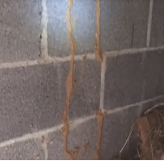
Mud tubes on foundation masonry in spring indicate established termite activity, particularly in Bristol’s older downtown neighborhoods where original wood framing sits close to ground level. Stink bug clusters appearing on attic insulation or inside wall cavities in fall signal that exterior entry points – window frames, soffit gaps, utility penetrations – have not been adequately sealed. Rodent gnaw marks on attic insulation batts or electrical wiring are a fire hazard as well as a pest problem, requiring immediate professional exclusion. Hollow-sounding wood near crawl space access points or floor registers warrants a full termite inspection given Bristol’s older housing stock.
Smart Prevention for Bristol Homes
Sealing exterior gaps before September is the highest-priority preventative step for Bristol homeowners dealing with stink bug and overwintering insect pressure. Weatherstripping, caulking around utility penetrations, and screening attic vents eliminate the primary entry points used by stink bugs, cluster flies, and rodents during fall migration. For homes with crawl space foundations along the South Holston and Beaver Creek corridors, vapor barriers and adequate cross-ventilation reduce the moisture conditions that sustain termite colonies through Bristol’s wet winters and springs. Annual termite inspections and bonded treatment plans provide the ongoing protection that Bristol’s older housing stock requires.
Your Guide to Top Pest Control Specialists in Bristol, TN: At Home Pros
At Home Pros only works with the top pest control contractors near you, verifying their track record before they can join our network. Bristol’s position at the Tennessee-Virginia border, combined with its Appalachian elevation and older housing stock, creates a pest profile that local professionals understand better than any national template can address. Get matched today.